News Report by The Pak Global Pakistan
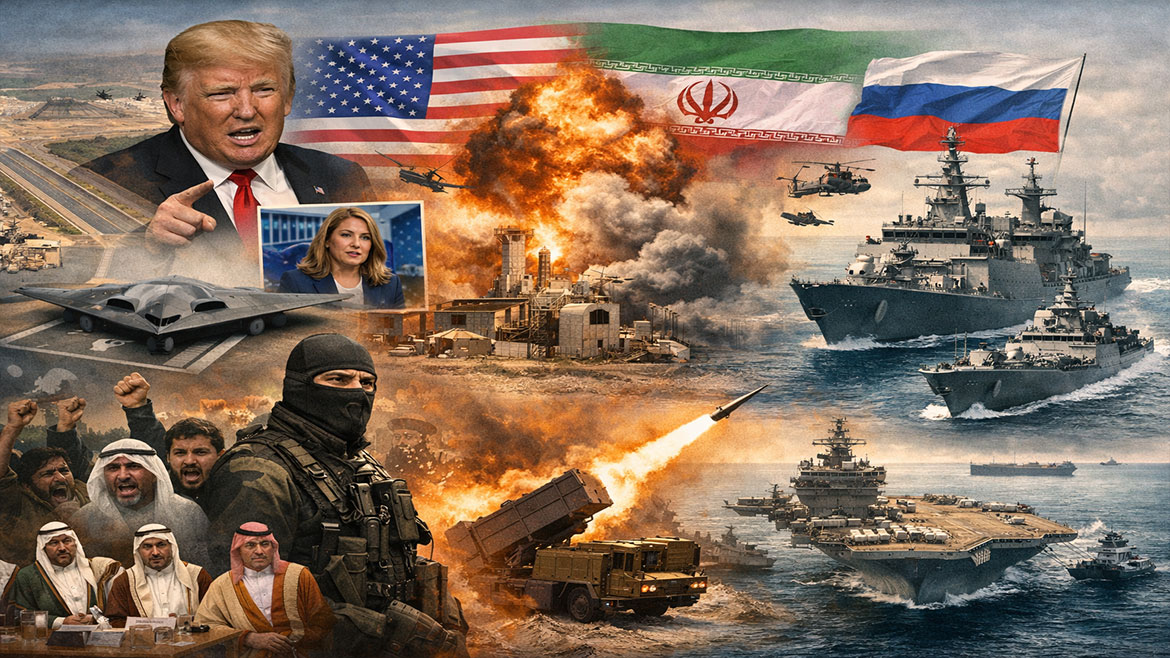
Tensions between the United States and Iran have escalated following the second round of indirect nuclear talks held in Geneva, which concluded without a significant breakthrough. The White House Press Secretary, Karoline Leavitt, warned Iran that it would be “very wise to make a deal” with the US, signaling continued pressure from Washington.
The talks, involving indirect negotiations between US and Iranian representatives, showed some progress but left key issues unresolved. Meanwhile, US President Donald Trump intensified his rhetoric by suggesting the potential use of an Indian Ocean airbase in the Chagos Islands to counter any threats from Iran, describing the Iranian regime as “highly unstable and dangerous” in a post on his social media platform, Truth Social.
In response to the ongoing diplomatic stalemate, Iran and Russia announced joint naval exercises in the Sea of Oman, aiming to deter any “unilateral action” in the strategically important region. The drills reflect growing cooperation between Tehran and Moscow amid increasing regional tensions.
The current diplomatic efforts come after a previous US-Iran negotiation collapsed last year, following Israeli attacks on Iranian nuclear facilities, which led to a brief but intense conflict involving US airstrikes on key Iranian sites. The situation was further inflamed in early 2025 when Iran cracked down on antigovernment protests, prompting new US threats of military action. In retaliation, Tehran warned it might close the Strait of Hormuz, a critical oil passage, and target US military bases in the Gulf.
Amid fears of a wider regional conflict, Gulf states such as Oman, Qatar, and Saudi Arabia have stepped up diplomatic initiatives to prevent further escalation and maintain stability in the Gulf region.