
Qatar Denies Direct US-Iran Talks in Doha
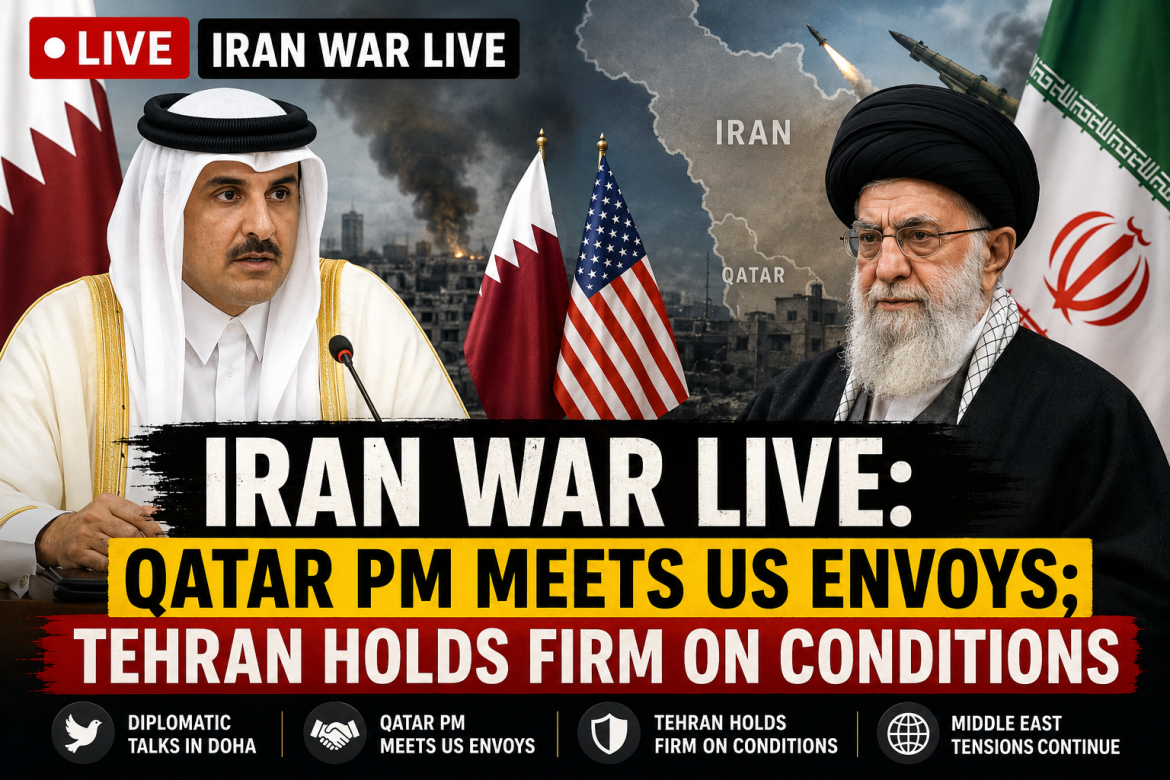
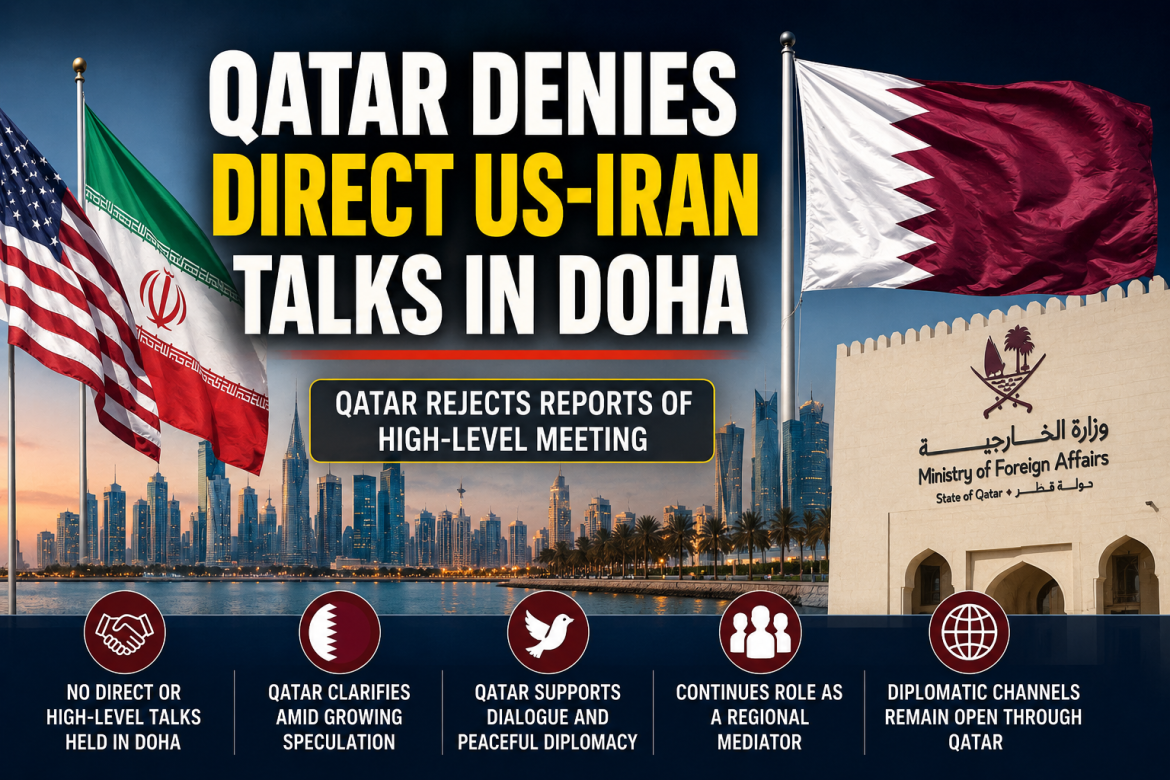
The latest Qatar Denies Direct US-Iran Talks in Doha update has attracted worldwide attention as diplomatic efforts continue across the Middle East. Reports suggesting that direct or high-level meetings between US and Iranian officials had taken place in Doha sparked widespread discussion. However, Qatari officials quickly rejected these claims, stating that no direct or senior-level talks between the United States and Iran were held in the country’s capital.
Qatar has long played the role of a regional mediator, maintaining diplomatic relations with both Washington and Tehran. While Doha frequently hosts international negotiations, officials emphasized that the recent reports about direct US-Iran meetings were inaccurate. As tensions remain high, the statement from Qatar has become one of the biggest developments in international diplomacy.
Qatar Denies Direct US-Iran Talks in Doha as Rumors Spread
The announcement that Qatar Denies Direct US-Iran Talks in Doha came after several international media outlets reported possible diplomatic meetings between senior officials. These reports raised hopes that the two countries might be preparing for formal negotiations aimed at easing regional tensions.
However, Qatar’s Foreign Ministry clarified that although the country supports dialogue and peaceful diplomacy, there were no direct or high-level meetings between American and Iranian representatives in Doha. Officials stressed that Qatar continues to encourage communication between all parties but rejected reports that such talks had already taken place.
The clarification was important because speculation surrounding possible negotiations had already influenced political discussions and international media coverage.
Why Qatar Issued the Clarification
The reason Qatar Denies Direct US-Iran Talks in Doha is significant because misinformation during periods of geopolitical tension can quickly create confusion in financial markets and diplomatic circles. A simple rumor about negotiations can affect oil prices, regional security assessments, and investor confidence.
Qatari officials explained that transparency is essential in maintaining trust among regional and international partners. They reiterated that Qatar remains committed to facilitating dialogue whenever requested but cannot confirm meetings that never occurred.
Qatar Denies Direct US-Iran Talks in Doha While Supporting Diplomacy
Although Qatar Denies Direct US-Iran Talks in Doha, the country continues to support peaceful negotiations between Iran and the United States. Over the years, Qatar has served as a trusted mediator in several regional conflicts by providing a neutral platform for discussions.
Political analysts believe Doha’s diplomatic role remains extremely important because both Washington and Tehran maintain communication channels with Qatari officials. This allows Qatar to help reduce misunderstandings even when formal negotiations are not taking place.
Experts also point out that denying false reports helps protect the credibility of future diplomatic efforts. If official meetings eventually occur, governments want the public to receive accurate information rather than speculation.
Global Reactions After Qatar Denies Direct US-Iran Talks in Doha
The statement that Qatar Denies Direct US-Iran Talks in Doha received widespread international attention. Governments, diplomats, and political analysts closely followed the clarification because any sign of communication between Washington and Tehran is considered important for regional stability.
The United States has not announced any direct high-level meeting in Doha, while Iranian officials have also remained firm on their diplomatic position. Both countries continue to express different views on regional security, sanctions, and future negotiations. As a result, Qatar’s clarification has helped reduce speculation surrounding unofficial reports.
International observers believe that although no direct meeting took place, diplomatic channels remain open through regional partners. Countries like Qatar continue to encourage peaceful dialogue and confidence-building measures that could eventually support future negotiations.
Impact on Middle East Diplomacy
The fact that Qatar Denies Direct US-Iran Talks in Doha does not mean diplomatic efforts have stopped. Instead, it highlights how sensitive the current political situation remains. Even unconfirmed reports can influence international relations, financial markets, and security planning across the Middle East.
Regional governments continue to monitor developments carefully. Rising tensions have affected energy markets, trade routes, and investor confidence. Oil prices often react to news involving Iran, the United States, and Gulf nations because the region remains one of the world’s most important energy producers.
Diplomatic experts believe Qatar will continue playing a constructive role by encouraging communication whenever opportunities arise. The country’s balanced foreign policy allows it to maintain relationships with multiple international partners.
What Happens Next After Qatar Denies Direct US-Iran Talks in Doha?
Following the announcement that Qatar Denies Direct US-Iran Talks in Doha, attention now shifts toward future diplomatic developments. Analysts expect indirect communication between both sides to continue through regional mediators and international partners.
Although no breakthrough has been announced, many experts believe diplomacy remains the best path toward reducing tensions. Future meetings could still take place if both governments agree on suitable conditions and confidence-building measures.
Observers also expect Qatar to remain actively involved in supporting peaceful initiatives. Its experience in facilitating negotiations makes it one of the key diplomatic players in the Gulf region.
Conclusion
The latest update confirming that Qatar Denies Direct US-Iran Talks in Doha has clarified widespread speculation surrounding recent diplomatic reports. While no direct or high-level meeting took place in Doha, Qatar has reaffirmed its commitment to promoting dialogue and peaceful solutions.
As regional tensions continue, the international community will closely monitor every diplomatic development involving the United States, Iran, and Qatar. Although formal negotiations have not yet begun, diplomatic communication remains an essential tool for preventing further conflict. The coming weeks may determine whether indirect contacts eventually lead to meaningful discussions that support long-term peace and stability in the Middle East.