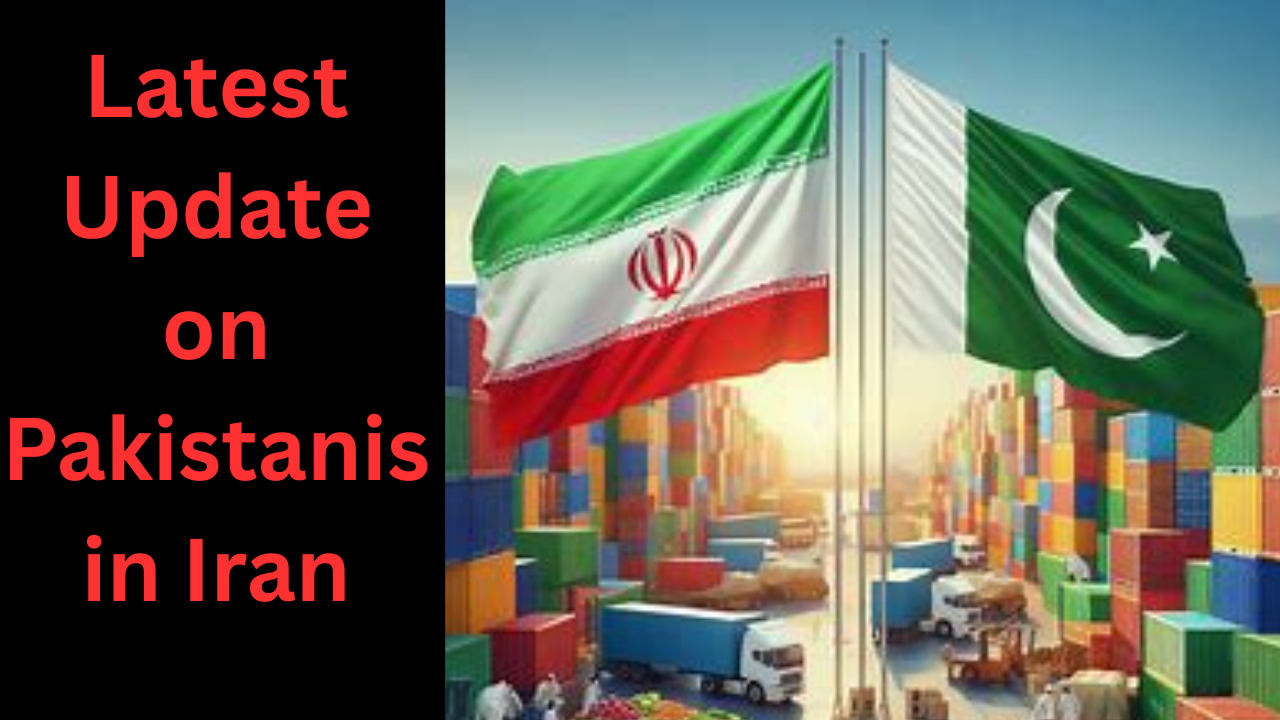
Iran and Pakistan have signed a new barter trade agreement aimed at transforming bilateral economic relations by allowing the two countries to exchange goods directly, bypassing some of the limitations and complexities of traditional financial transactions. The agreement, initiated at Iran’s request and formalized during talks in Tehran, seeks to enhance trade volumes, facilitate cross-border commerce, and involve private-sector participation from both countries to ensure practical implementation. Under the deal, a variety of products — including agricultural goods, industrial materials, and consumer products — are expected to be exchanged, although the specific items are yet to be finalized. Pakistani officials see this as a major step toward deepening economic interdependence, particularly given challenges in international banking for Iran due to sanctions. Beyond trade, analysts suggest that the barter agreement reflects a broader intent by both nations to strengthen strategic ties, improve connectivity (including rail and road transit), and foster cooperation in sectors like energy, agriculture, and border development. By simplifying trade mechanisms and encouraging private-sector engagement, the agreement has the potential to transform the long-standing neighborly relationship into a pragmatic and mutually beneficial economic partnership, while also enhancing regional stability and connectivity.