
Iran Talks Highlight Growing Challenges for US Diplomacy
Focus Keyword: Iran Talks
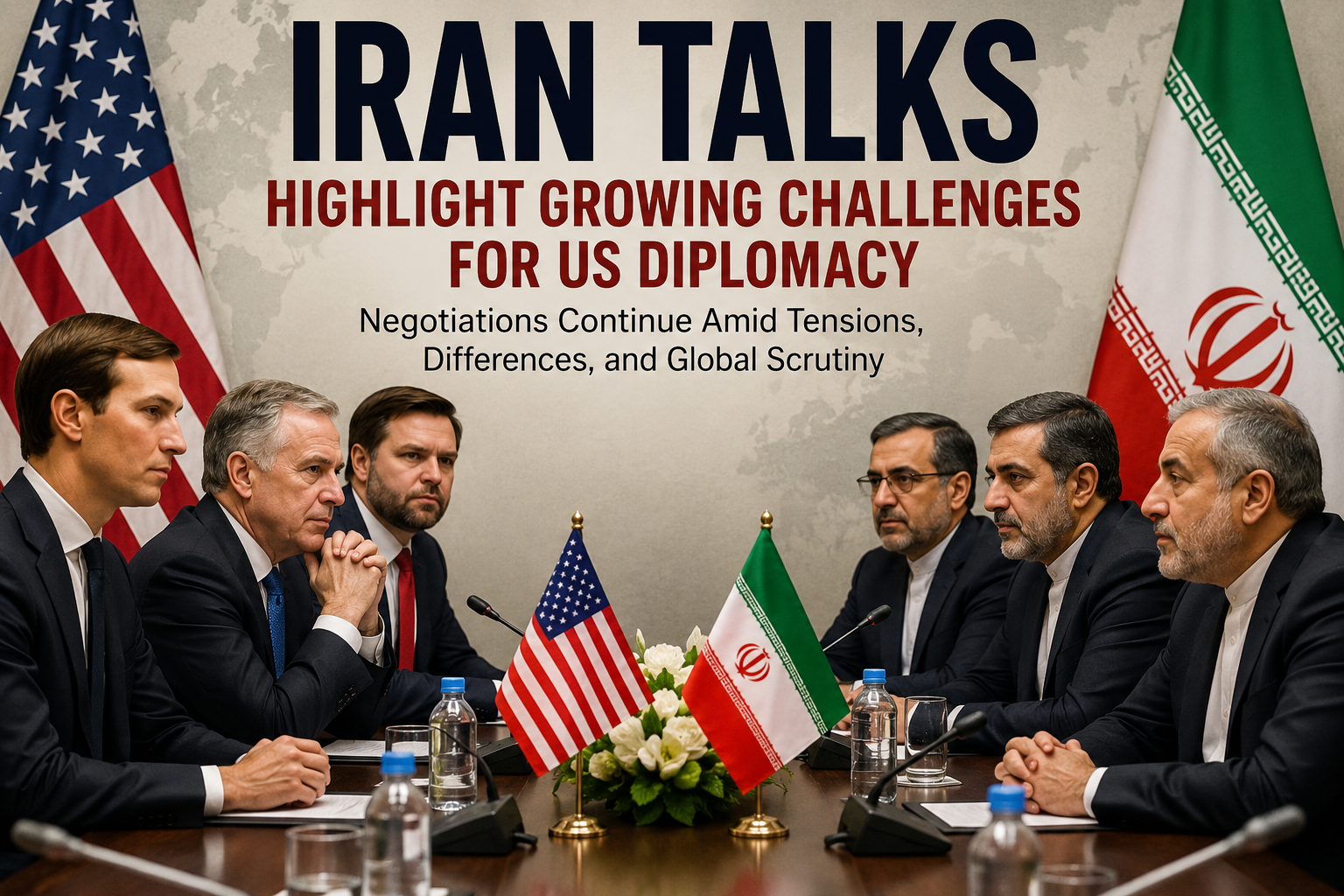
The latest Iran Talks have once again placed United States diplomacy under global scrutiny as Washington continues to pursue negotiations with Tehran over regional security and nuclear-related concerns. While both countries have expressed interest in avoiding further escalation, the diplomatic process has highlighted broader questions about the direction of US foreign policy and the people leading these high-level discussions.
For decades, relations between the United States and Iran have been shaped by sanctions, political disagreements, and security concerns. Every new round of Iran Talks is closely watched because the outcome can influence regional stability, global energy markets, and international diplomacy.
Iran Talks Continue to Shape Middle East Diplomacy
The current Iran Talks represent another important effort to reduce tensions through dialogue rather than confrontation. Diplomats and political observers believe that negotiations remain the most effective way to address long-standing disagreements between Washington and Tehran.
The discussions have focused on rebuilding trust, improving communication, and finding practical solutions to complex political disputes. Although significant differences remain between both sides, diplomatic engagement continues to be viewed as an important alternative to military escalation.
International partners have also encouraged both governments to remain committed to negotiations. Many countries believe that successful diplomacy could contribute to greater stability across the Middle East while reducing uncertainty for global markets.
Why Iran Talks Matter to the International Community
The importance of Iran Talks extends far beyond bilateral relations. Decisions made during negotiations can affect international trade, regional alliances, and global security. As a result, governments around the world continue to monitor every stage of the diplomatic process.
Experts note that prolonged tensions between the United States and Iran often create uncertainty throughout the region. Progress in negotiations could improve confidence among international partners, while setbacks may increase political and economic risks.
Leadership and Diplomatic Strategy Remain Under Focus
Another aspect receiving attention is the leadership of the American negotiating team. Every administration chooses its own approach to diplomacy, and recent discussions have sparked debate over the balance between experienced career diplomats and political appointees.
Supporters argue that senior political figures can negotiate directly on behalf of the president and make faster decisions during sensitive discussions. Critics, however, believe that experienced diplomats bring valuable institutional knowledge, regional expertise, and long-term relationships that can strengthen negotiations.
This debate is not unique to the current administration. Throughout modern American history, different presidents have relied on varying combinations of diplomats, advisers, and special envoys to represent US interests abroad.
Diplomacy Requires Trust and Long-Term Engagement
Successful international negotiations depend on preparation, credibility, and mutual trust. Diplomatic teams must understand political realities while maintaining open communication with international partners.
Analysts believe that sustainable agreements are often built through consistent engagement rather than short-term political gains. This is especially true in negotiations involving regional security and nuclear-related concerns, where confidence-building measures can play an important role.
Challenges Facing Future Iran Talks
Despite ongoing dialogue, several obstacles continue to influence the negotiating process. Differences over sanctions, regional security, and verification measures remain significant issues that require careful discussion.
Both governments also face domestic political pressures, making compromise more difficult. Public opinion, parliamentary debates, and national security concerns all influence how negotiators approach sensitive topics.
International observers believe that continued diplomatic engagement offers the best opportunity to reduce tensions, even if immediate breakthroughs remain difficult to achieve.
Global Reactions to Iran Talks
Governments across Europe, Asia, and the Middle East continue to encourage peaceful dialogue between Washington and Tehran. International organizations have repeatedly emphasized that diplomacy remains the preferred path for addressing disputes while protecting regional stability.
Economic analysts also note that progress in negotiations could improve investor confidence and reduce uncertainty in international energy markets.
Conclusion
The latest Iran Talks demonstrate both the opportunities and challenges facing modern diplomacy. While important differences remain between the United States and Iran, continued negotiations show that diplomatic engagement remains an essential tool for resolving complex international disputes.
Whether future discussions lead to major agreements or gradual confidence-building measures, the outcome of the Iran Talks will continue to influence regional stability, global politics, and international security. As governments and international organizations watch developments closely, diplomacy remains the most practical path toward reducing tensions and encouraging long-term peace.
Frequently Asked Questions
What are the Iran Talks?
The Iran Talks refer to diplomatic discussions between Iran and other countries, particularly the United States, on issues such as regional security, sanctions, and nuclear-related concerns.
Why are the Iran Talks important?
The Iran Talks have implications for Middle East stability, international diplomacy, and the global economy.
What challenges do the Iran Talks face?
Key challenges include political differences, security concerns, sanctions, and building mutual trust between negotiating parties.
Can diplomacy reduce regional tensions?
Many experts believe that sustained diplomatic engagement offers the best chance to reduce tensions and promote long-term stability.
