

The Pak Global Pakistan:
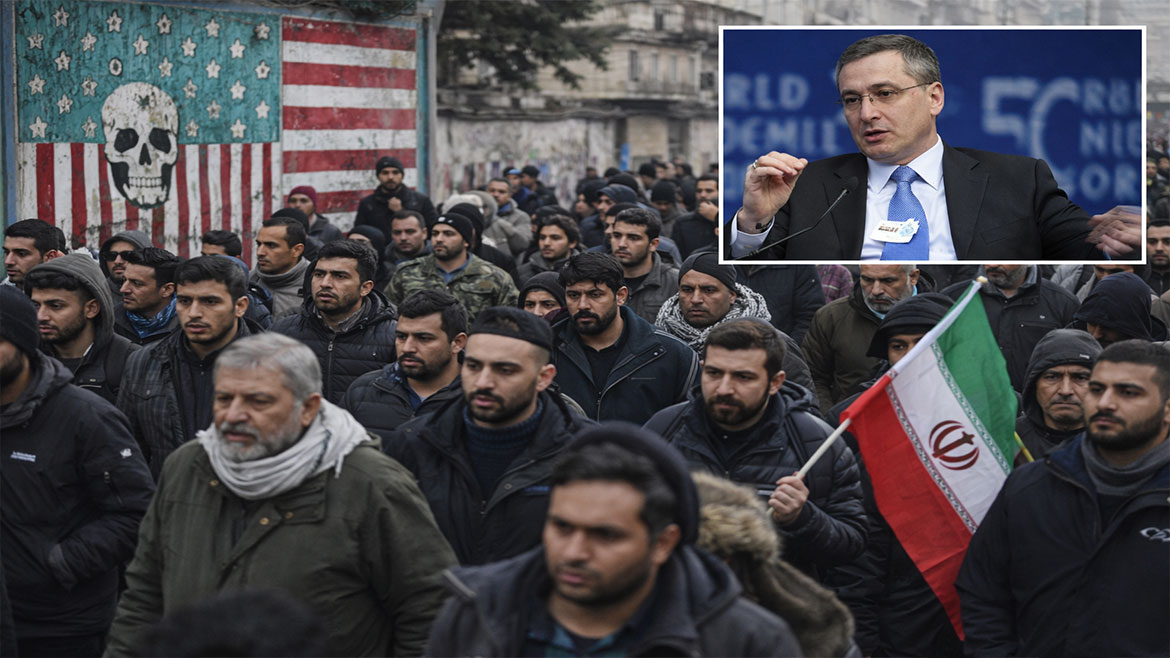
US Treasury Secretary Scott Bessent has revealed that Washington deliberately engineered a dollar shortage in Iran, contributing to the collapse of the Iranian rial and triggering one of the largest antigovernment protests since the 1979 Islamic Revolution.
The economic crisis began in late December 2025, when the rial plunged to record lows against the US dollar, fueling soaring inflation that drove widespread protests. Shopkeepers in Tehran led the initial unrest by closing businesses in response to rising prices, which quickly spread across provinces.
Bessent disclosed the strategy during Congressional hearings and the World Economic Forum in Davos, stating that the Treasury Department intentionally created the dollar shortage. He explained that the currency’s freefall and inflation surge incited mass protests, while the Iranian leadership attempted to move money out of the country.
A dollar shortage occurs when a nation lacks sufficient US dollars to finance international trade. In Iran’s case, sanctions targeted its oil exports and access to the global banking system, blocking foreign currency inflows. Economist Mohammad Reza Farzanegan said these measures trapped reserves abroad and prevented new inflows, worsening the domestic financial crisis.
By January 2026, the rial had collapsed to 1.5 million per dollar from 700,000 a year prior, causing inflation to spike with food prices rising 72 percent on average. The crisis devastated Iran’s middle class, eroding savings and purchasing power, according to Farzanegan and economist Nader Habibi.
The humanitarian toll has been severe, with over 6,800 protesters, including at least 150 children, killed in government crackdowns. The dollar shortage also hindered Iran’s imports of essential goods, deepening public hardship.
While Bessent described these sanctions as “economic statecraft,” experts caution such measures rarely lead to regime change. Analysts argue sanctions mainly harm ordinary citizens, limiting daily survival rather than toppling leadership.
